
Choosing how to travel matters as much as choosing where to go. The right approach depends on whether your goal is rest, independence, learning, family ease, cultural depth, physical challenge, or efficient sightseeing.
This plan looks at distinct travel experiences that match different goals, helping readers compare trip styles without repeating standard destination lists. Each section should explain who the approach suits, what to expect, and what trade-offs to consider.
Self-Guided City Break in Copenhagen

Copenhagen is ideal for a self-guided city break because it is compact, stylish, and easy to navigate without a fixed itinerary. Travelers can move between waterfront architecture, design shops, bakeries, and green spaces by bike, metro, bus, or on foot, adjusting each day around mood, weather, and appetite.
Visitors can explore Nyhavn and the harbor, browse Danish design in independent stores, pause for smorrebrod or pastries, and use public transport to reach neighborhoods such as Norrebro, Vesterbro, and Christianshavn. The city rewards slow wandering, with clean lines, casual food culture, and canal views making independent travel feel simple and purposeful.
Best time to visit: May to September, weekdays, late morning to early evening for museums, canals, and neighborhoods
Ticket price: Many neighborhoods are free; museums and attractions typically cost about DKK 100-200 each
Japan Rail Itinerary from Kyoto to Kanazawa

A Japan rail itinerary from Kyoto to Kanazawa is worth choosing when you want the confidence of a planned route without surrendering the day to a tour schedule. The journey links Kyoto’s temple districts with Kanazawa’s preserved samurai lanes, gardens, and craft traditions, turning the transfer itself into a purposeful part of the trip.
Use the train as the spine of a multi-stop plan: build in time for a station-area meal, a luggage-forwarding handoff, or a short stop in a smaller city before reaching Kanazawa. Visitors can notice how rail travel encourages clear pacing, with fixed departures, compact station hubs, and enough independence to adjust museums, meals, and neighborhood walks along the way.
Best time to visit: March to May or October to November, travel between 9:00 AM and 3:00 PM to avoid rush hours
Ticket price: Train prices vary by route and pass; reserved long-distance tickets can be costly
Language Homestay in Oaxaca
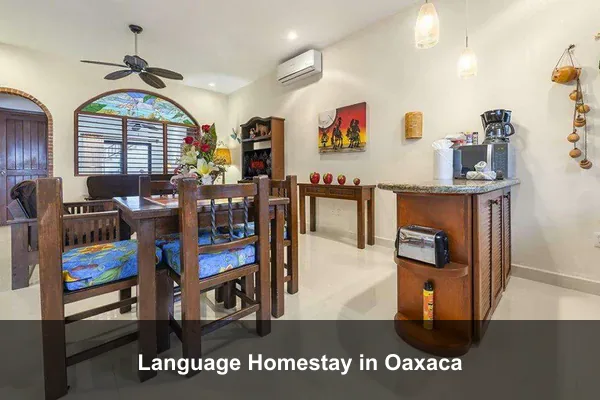
A language homestay in Oaxaca suits travelers who want their trip to build real cultural understanding, not just a list of sights. Living with a local family turns Spanish practice, shared meals, and everyday routines into the main experience.
Visitors can take lessons, join conversations at home, explore markets, taste regional food, and notice how traditions show up in daily life. The value is in small interactions: greetings, errands, cooking, and neighborhood rhythms that make the city feel personal.
Best time to visit: October to April, with classes usually held weekday mornings and local activities in the afternoon
Ticket price: Program prices vary; homestay and Spanish lesson packages are usually priced weekly
Wellness Retreat in Ubud
A wellness retreat in Ubud suits travelers who want their trip to feel like a reset rather than a race through sights. Its quiet rice-field setting, mindful pace, and retreat culture make it a strong choice for restoring energy, rebuilding routine, and creating space for reflection.
Visitors can join gentle yoga, meditation, breathwork, spa treatments, or nourishing meals built around rest and consistency. Between sessions, notice the slower rhythm of village paths, temple offerings, forest edges, and the way Ubud encourages attention inward as much as outward.
Best time to visit: May to September, with morning yoga or spa sessions before midday heat
Ticket price: Prices vary widely by retreat; day yoga classes may cost about IDR 150,000-250,000
Cooking School Experience in Chiang Mai
A cooking school experience in Chiang Mai is worth choosing when travel is meant to build a real skill, not just collect sights. Northern Thai kitchens turn local culture into something practical, letting visitors understand flavor, ingredients, and technique through active participation.
Visitors can shop for herbs, curry pastes, and produce at a local market, then prepare dishes such as khao soi, larb, or green curry with guided instruction. Notice how balance, texture, and fresh aromatics shape each dish, making the lesson useful long after the trip ends.
Best time to visit: November to February, morning classes are best for market visits and cooler cooking conditions
Ticket price: Half-day cooking classes commonly cost about THB 1,000-1,800; prices vary by provider
Family Theme Park Base in Orlando
Orlando works well as a convenience-first family base because the major resort areas are built around predictable movement: hotel shuttles, short rideshares, stroller-friendly paths, and meals planned around park days. It suits travelers whose goal is less spontaneity and more low-friction fun with children, naps, and changing energy levels.
Families can anchor each day around one park or resort zone, then use built-in shows, character meals, pools, and evening entertainment instead of adding complicated side trips. Notice how the best stays reduce decision fatigue: nearby lodging, simple transport, and flexible breaks often matter as much as the rides themselves.
Best time to visit: Late January to early March or September, weekdays, arriving at park opening
Ticket price: Theme park tickets vary by date and park; expect premium daily pricing
Digital Nomad Month in Lisbon
Lisbon works well for a digital nomad month because it lets travel support a routine instead of interrupting it. Compact neighborhoods, steady café culture, Atlantic light, and easy public transport make it practical to stay productive while still feeling part of daily city life.
Visitors can base themselves in areas like Santos, Arroios, or Graça, work from coworking spaces, shop at local markets, and use short breaks for miradouros, trams, and river walks. Weekends can stretch the trip outward to Sintra, Cascais, or nearby beaches without losing the slower pace.
Best time to visit: April to June or September to October, with sightseeing before 10:00 AM or after work hours
Ticket price: City viewpoints are often free; coworking, transit, and rentals vary by season
Beginner Adventure Course in Queenstown
Queenstown is worth choosing when your goal is challenge without being thrown into the deep end. Its lake-and-alpine setting gives beginner adventure courses real terrain, while professional coaching, safety briefings, and staged progression make rafting, canyoning, or skills lessons feel purposeful rather than reckless.
Visitors can build confidence through guided river runs, canyon scrambles, climbing-style movement, or introductory outdoor technique sessions, with instructors reading conditions and matching pace to the group. Notice how the course structure turns adrenaline into learning: equipment checks, clear commands, and debriefs help each achievement become a skill you can carry into future trips.
Best time to visit: December to March for summer adventure activities, with morning departures for calmer conditions
Ticket price: Prices vary by activity; guided rafting, canyoning, and lessons often cost NZD 150-350+
Accessible City Stay in Singapore
Singapore is worth choosing when travel goals prioritize ease, predictability, and comfort. Step-free MRT stations, sheltered walkways, clear signage, reliable taxis, and compact districts create a low-friction city stay for travelers who need smooth mobility.
Visitors can build gentle days around Marina Bay, Gardens by the Bay, the Civic District, and malls linked by transit and covered paths. Notice how lifts, ramps, seating, clean restrooms, and air-conditioned connections support energy management as much as sightseeing.
Best time to visit: February to April, mornings and evenings for outdoor areas; indoor attractions work well midday
Ticket price: Public spaces are often free; major attractions usually cost about SGD 20-60
Small-Group Desert Camp in Wadi Rum
Wadi Rum rewards travelers who want wild desert scenery without handling every remote-road decision alone. A small-group camp pairs the vastness of sandstone cliffs, red dunes, and open silence with Bedouin knowledge, making distant viewpoints and camp logistics feel more grounded and safer.
Visitors can ride by jeep through narrow canyons, rock bridges, and ancient inscriptions before reaching camp as the light turns copper. Around the fire, notice how guides read tracks, wind, stars, and routes, turning the desert from a backdrop into a lived-in landscape.
Best time to visit: March to May or September to November, late afternoon for desert drives and sunset camp arrivals
Ticket price: Camp and jeep tour packages vary; protected area entry is usually separate unless included
